

Applied Criminal Justice
100% Online Degree in 3 Years
Prepare for work that matters—online or on campus. Build the skills to serve, protect, and lead.
Manchester University’s Applied Criminal Justice program combines foundational knowledge of the justice system with hands-on learning that prepares you for real careers in public service. Now available 100% online or on campus in North Manchester, within just three years, you’ll gain practical experience, ethical leadership skills, and a career-ready knowledge base for roles in law enforcement, courts, corrections, policy, and forensic investigation.
This degree is available 100% online
Start Your Career With a Degree Built for the Real World
Today’s criminal justice professionals need more than theory. They need judgment, communication skills, ethical decision-making, and real-world experience.
Manchester’s Applied Criminal Justice degree was designed to meet that need.
Students graduate with a strong understanding of criminal justice institutions—including policing, courts, and corrections—while developing practical skills that translate directly into professional environments.
This reduced-credit pathway helps you graduate sooner and enter the workforce faster.

Why Choose Manchester’s Applied Accounting Program
At a Glance
Designed For Working Adults
Major | BS
- 90+ Credit Hours
Minor
- 23 Credit Hours
Location
- 100% Online
- North Manchester
Completion Time
- 3 Years
Manchester Online | Applied Accounting program is built for students who are:
- Working full-time
- Raising families
- Changing careers
- Returning to finish a degree
- First-generation college students
- Adults who started college but never finished
How the Criminology Program Supports Your Growth
Learn by Doing
Students complete at least 120 hours of field experience through opportunities such as:
- Law enforcement shadowing or internships
- Court observation and administration support
- Community outreach organizations
- Research projects with faculty
- Justice-focused nonprofit work
- Public service initiatives
Criminology vs. Criminal Justice: What’s the Difference?
While both criminology and criminal justice play crucial roles in the justice system, they focus on different aspects. Criminology is a social science that studies crime, its causes and its effects on society. Criminologist jobs entail analyzing data from past crimes to help prevent future ones while considering sociological and psychological factors. Criminal justice, on the other hand, focuses on law enforcement and the legal system. Criminal justice careers include policing, corrections, and the court system.
Why Choose Manchester’s Applied Criminal Justice Degree
Hands-On Experience That Sets You Apart
Every student completes at least 120 hours of career-focused internship experience or directed research before graduation.
You won’t just study criminal justice—you’ll practice it.
Career-Ready Learning
Courses such as:
- Supreme Court and the Constitution
- Victimology
- Adolescence and Juvenile Justice
- Forensic Chemistry
help students build practical knowledge employers value.
Personal Support and Faculty Mentorship
Manchester’s small class sizes mean professors know your goals, support your growth, and help you prepare for meaningful work after graduation.
BUILT FOR IMPACT
Learn to Lead With Integrity
Criminal justice careers demand responsibility, fairness, and sound judgment. This program helps students develop the ethical foundation needed to serve diverse communities with professionalism and respect.
You’ll graduate prepared to make thoughtful decisions that improve the human condition.
What You Can Do with Your Degree in Criminal Justice

Study Anywhere
Complete your coursework online while balancing work, family, and life.

Acclerated
Accelerated pathways help you earn your degree and advance your career within 3 years.

Career Ready
Graduate with practical skills and real-world experience employers value.
Law Enforcement Officer
Serve communities through public safety and crime prevention.
Court Services Specialist
Support judicial systems, case management, and legal operations.
Corrections Professional
Help guide rehabilitation, safety, and offender support.
Public Policy Analyst
Contribute to justice reform and community solutions.
Forensic Investigation Support
Assist with evidence, laboratory, and investigative processes.
CAREER OUTLOOK
Careers That Make a Difference
Organizations need professionals who understand systems, communicate clearly, think ethically, and respond responsibly under pressure.
Graduates are prepared for opportunities across:
- Local and state law enforcement
- Court systems
- Corrections
- Community services
- Policy organizations
- Investigation support roles
- Graduate study

Kyle Newcomb, Criminology

Meet the Faculty


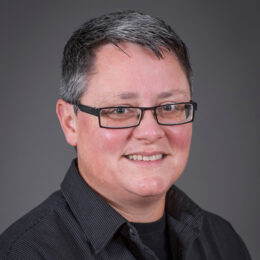
Barb Burdge
Professor of Social Work, Director of Social Work Program, Social Work Field Instr Coord, Dept Chair, & Faculty Executive Committee Chair
Non-Discrimination in the Admission Process
Manchester University is committed to non-discrimination in campus life. The University does not discriminate on the basis of national origin, ancestry, race, color, age, sex, gender identity or expression, sexual orientation, familial status, religion, disability or veteran status in admissions or any area of campus life, including its educational programs, scholarships and loan awards, residence life programs, athletic programs, extracurricular programs, promotion and tenure policies and practice, and alumni affairs.
Manchester University is committed to carry out the provisions of Section 504 of the Rehabilitation Act of 1973 and the Americans With Disabilities Act, which provide for accessibility of University programs to the physically disabled.