



Environmental Studies: Natural History
Discover ecosystems firsthand! Grow your passion for plants, wildlife, and conservation in a program that blends rigorous science with real-world field experience.
What You’ll Study
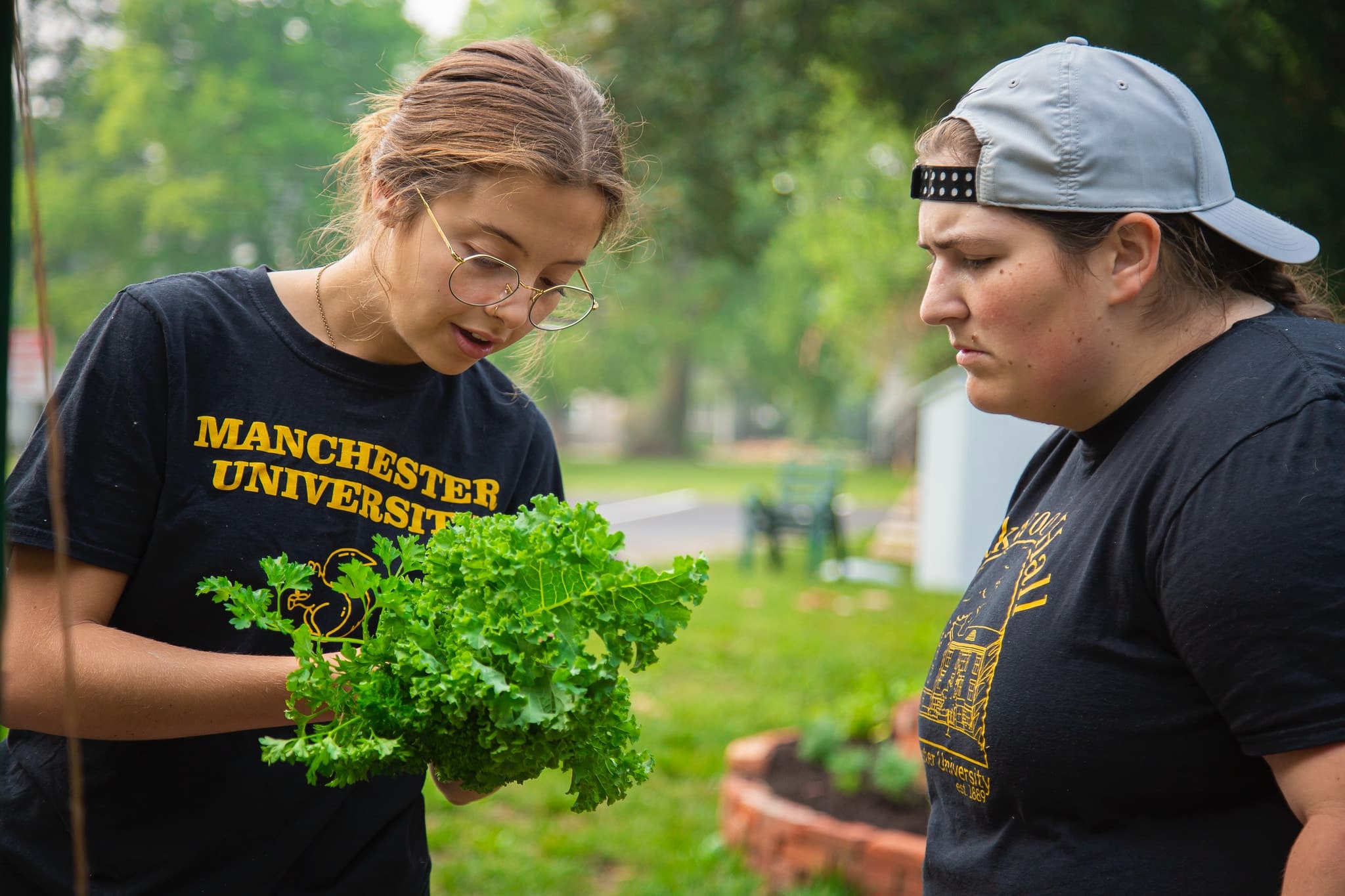
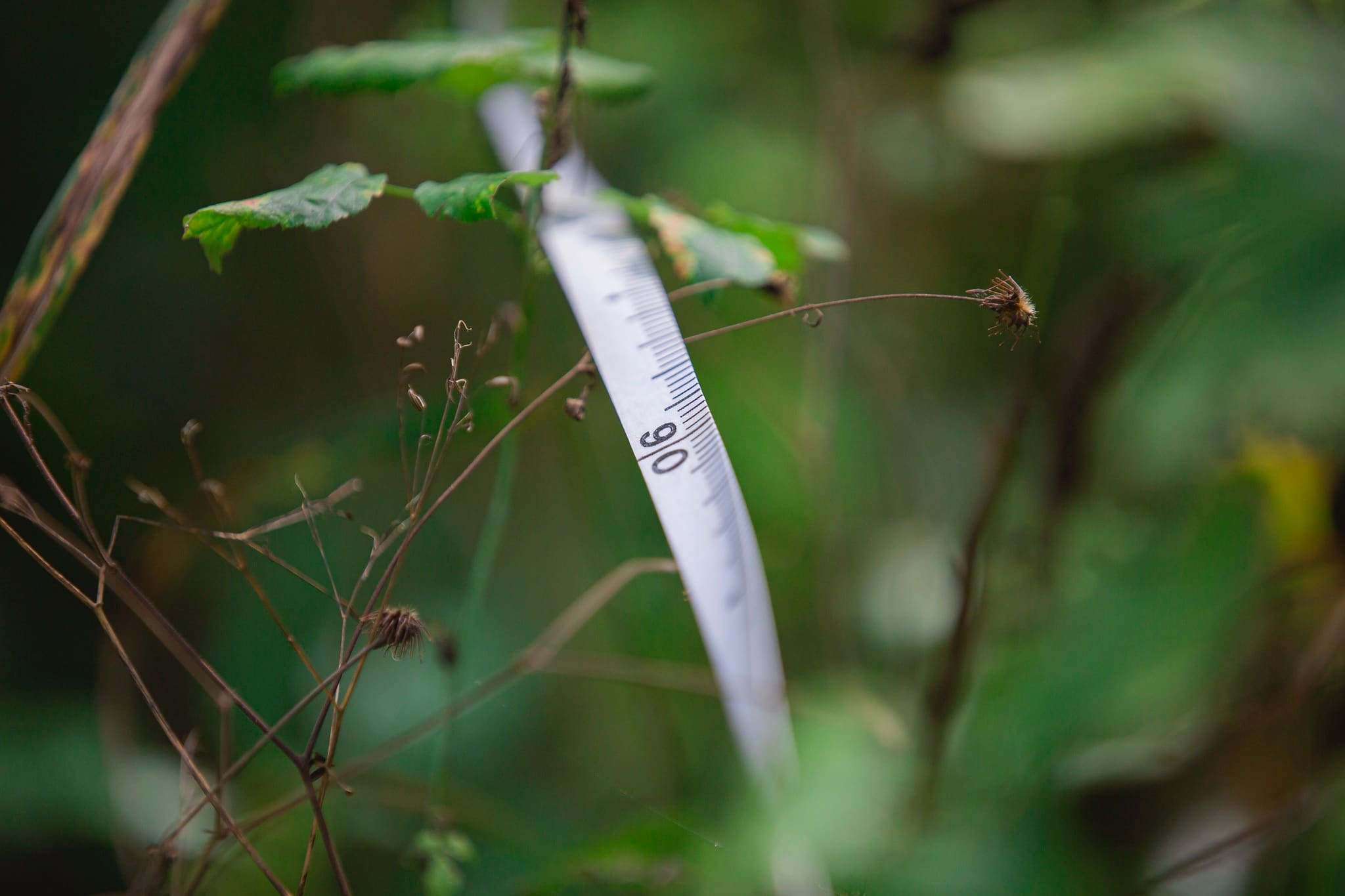
Through courses like Ecology, Limnology, and Interpretation of Natural History, you’ll spend time in forests, wetlands, streams, and at Manchester’s 100‑acre Koinonia Environmental Center. You’ll learn identification, monitoring techniques, data collection, and ecological research design through hands-on fieldwork while studying bird populations or even tracking water quality.
Program Information:
Major | BS
- 54-56 Credit Hours
Minor
- 26 Credit Hours
Location
- North Manchester


Why Choose MU for Environmental Studies?

Hands-On Across Disciplines
Combine natural history with Geographic Information System (GIS) mapping, environmental policy studies, and sustainability; preparing you for roles in public agencies, nonprofits, private consulting, and beyond. Many alumni are accepted into graduate programs or secure environmental roles immediately after graduation.
Career Preparation
More than 95 percent of our graduates are accepted into graduate programs or in entry-level environmental jobs.
Research Opportunities
About $5.4 million in grants and other funding have supported undergraduate research projects and internships since 2009.
Study Intensives in Various Environments
Environmental studies travel courses include Andros Island, Bahamas; the Florida Keys; and Alaska.
What You Can Do with Your Natural History Degree
Park Naturalist
Leads nature programs and educates visitors about local ecosystems.
Wildlife Technician
Collects data on animal populations and habitat conditions in field.
Environmental Educator
Teaches communities about conservation, sustainability, and ecological responsibility.
Habitat Restoration Assistant
Supports habitat restoration and species monitoring in natural areas.

Average Starting Salary for Environmental Sciences: Natural History Degree Holders
Graduates enter roles as environmental scientists, wildlife biologists, and conservation specialists. According to the Bureau of Labor Statistics:
- The median salary for environmental scientists is $80,060/year, with a 7% job growth projected through 2033.
- Wildlife biologists earn a median $72,860/yearwith steady demand.
- Conservation scientists make around $67,950/year while enjoying stable growth.
How the Natural History Program Supports Your Growth
Why Choose This Environmental Studies Track in Natural History?
If you’re passionate about ecology, wildlife, and protecting ecosystems, this concentration gives you the tools, experience, and credentials to make an impact. With dedicated faculty mentorship, immersive fieldwork, and strong career prospects, Natural History majors truly learn by doing.
The Department's Mission
The department aims to provide students experiential learning opportunities and rigorous academics rooted in natural sciences, political sciences, economics, and philosophy to better understand the human endeavor in the context of responsible environmental stewardship.
Meet the Faculty

Sabrina Brown
Assistant Professor of Biology and Environmental Studies

Katharine Gray-Brown
Professor of Philosophy and Peace Studies, Director of the Peace Studies Program, and Dept Chair of Philosophy & Religious Studies

You Might Also Be Interested In These Programs

Environmental Studies: Natural History Learning Outcomes
Manchester University Environmental Studies – Rooted in science, grounded in nature, designed for your future.
Program Learning Outcomes
Program Learning Objectives
- Critical Thinking – Students will demonstrate critical thinking skills in relation to environmental issues.
- Interdisciplinary Synthesis – Students will demonstrate an ability to integrate the many disciplines and fields that intersect with environmental concerns.
- Ecological Literacy – Students will demonstrate an awareness, knowledge, and appreciation of the intrinsic values of ecological processes and communities.
- Communication – Students will demonstrate knowledge and application of communication skills and the ability to write effectively in a variety of contexts.
- Stewardship and Sustainability – Students will demonstrate an integrative approach to environmental issues with a focus on sustainability.
- Professionalism – Students will demonstrate familiarity with the professional practices of environmental careers.
Student Learning Outcomes
- Describe the process of scientific peer review and its role in mitigating the influence of bias in research.
- Synthesize information from a variety of sources that not only demonstrates an ability to identify an environmental problem, but also propose options for solutions.
- Demonstrate depth in critical analysis and in writing about environmental problems that span popular and peer reviewed publications.
- Synthesize the interactions of scientific, economic and political perspectives regarding local, regional and global environmental issues in the context of current literature.
- Describe the fundamental structure and function of natural systems, and how humans can alter these systems.
- List and describe local, regional and global environmental issues.
- Demonstrate a general proficiency in the use of qualitative and quantitative research methods to gain empirical evidence for environmental decision-making.
- Demonstrate the ability to write using common scientific or other appropriate formats.
- Demonstrate the ability to communicate information orally in a sequential organized fashion.
- Design, conduct and present (orally and in writing) independent research that is consistent with the standards and practices of research in environmental science.
- Identify and justify key stakeholders in the natural sciences that need to be a part of sustainable solutions for environmental issues.
- Formulate an action plan for sustainable alternatives to environmental issues that integrate ecological, social and economic perspectives.
- Produce a CV or resume, and personal statement.
- Complete an internship or research project.
- Display punctuality, professional communication, time management, and self-motivation.
Non-Discrimination in the Admission Process
Manchester University is committed to non-discrimination in campus life. The University does not discriminate on the basis of national origin, ancestry, race, color, age, sex, gender identity or expression, sexual orientation, familial status, religion, disability or veteran status in admissions or any area of campus life, including its educational programs, scholarships and loan awards, residence life programs, athletic programs, extracurricular programs, promotion and tenure policies and practice, and alumni affairs.
Manchester University is committed to carry out the provisions of Section 504 of the Rehabilitation Act of 1973 and the Americans With Disabilities Act, which provide for accessibility of University programs to the physically disabled.