

English: Literature
Prepare to develop your critical thinking and analytical skills through the study of literature. You’ll explore a wide variety of literary works within their cultural contexts and practice textual analysis, which prepares you to understand and synthesize material, conduct research, and write clearly and persuasively, skills that are in demand by the workplace.
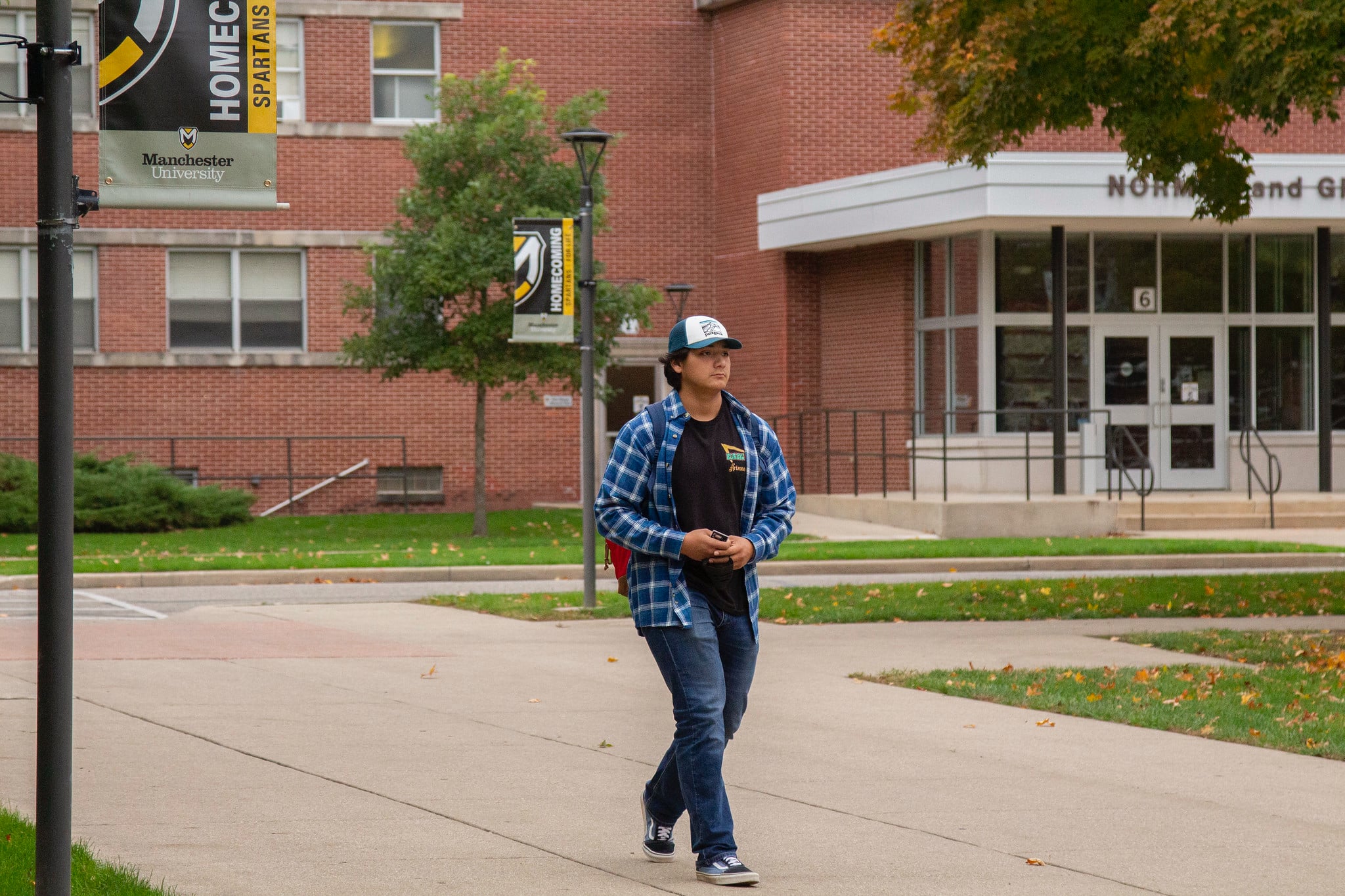
Earn a Bachelor of Arts or Science
Students who follow the Literature concentration will study literary works within their historical, cultural and global contexts, deepening both their knowledge and understanding of texts and the environment in which they were produced and read. To complement these practices in literary studies, students will develop their analytical abilities, paying close attention to the effective use of language, logic, research and voice. Such preparation equips students for successful careers in a variety of interdisciplinary fields and for graduate study in fields from literature to law.
Program Information:
Major | BA
- 37 Credit Hours
Minor | English
- 18 Credit Hours
Minor | Journalism
- 24 Credit Hours
Location
- North Manchester
Why Choose MU for English Literature?

Oak Leaves
Manchester’s award-winning University newspaper gives students valuable experience in all facets of journalism, including writing, copy editing, photography, advertising, business and newspaper design.
Spectrum
Manchester’s arts and literary magazine provides students, faculty and staff with an opportunity for artistic expression through poetry, essays, short stories, artwork, and photography. Published every spring, this magazine gives students experience in working with an editorial team to select entries and design the publication.
Internship Opportunities
Students who study journalism or professional and creative writing complete an internship with a publication or professional organization; TESOL minors complete a practicum in teaching English to speakers of other languages.
The Writing Center
All Manchester students have access to The Writing Center, which provides support for students at all levels. Students are tutored to improve their writing by thinking critically about their work and focusing on development, clarity, organization, grammar and citation. English majors often work as writing consultants.
What You Can Do with Your English: Literature Degree
Grant Writer
Archivist/Researcher
Social Media Coordinator
Author

About the English: Literature Program
Our courses prepare you to work in a variety of professions.
Take the next step toward earning your degree. We have the resources to help you get started.
Spectrum Magazine
Spectrum is Manchester University’s literary arts magazine, providing students, faculty and staff with an opportunity for artistic expression through poetry, essays, short stories, artwork, and photography. Published every spring, the magazine contributes to the University’s marketplace of ideas and provides an artistic journal. To contribute your work to Spectrum, please e-mail spectrum@manchester.edu.
Manchester University’s campus newspaper Oak Leaves is published weekly, except for semester breaks during the academic year. Established in 1913, the paper serves as a forum for community commentary and opinion, and as a vehicle for news that relates to the Manchester campus.
Oak Leaves is edited by current Manchester students, who are appointed by the faculty advisor. Unpaid staff writers are often members of journalism or editing classes, but any student is welcome to work for the paper as an extra-curricular activity. Students interested in writing, copy editing, photography, advertising, business and newspaper design are encouraged to get involved. Any full-time student may apply for an editorial or managerial position. For more information, email oakleaves@manchester.edu.
Meet the Faculty
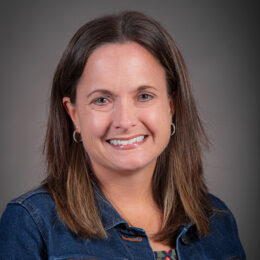
Stacy Erickson-Pesetski
Professor of English, Associate Dean of Academic Affairs

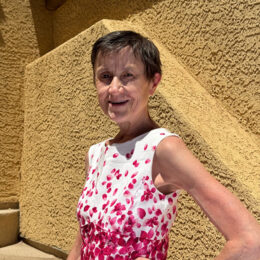
Katharine Ings
Professor of English and Director of the Gender Studies Program
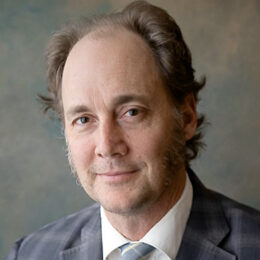
Beate Gilliar
Professor of English and Dept Chair of English and Modern Languages
You Might Also Be Interested In These Programs

Successful Graduates
Chloe Leckrone ’22
A communications specialist in the Office of Strategic Communications, Manchester University, N Manchester, IN
Carly Kwiecien ’19
The communications director at Friendship Botanic Gardens, Michigan City, IN
Ciara Knicely ’18
A Fish and Wildlife Information Specialist at the Kentucky Department of Fish and Wildlife Resources
Non-Discrimination in the Admission Process
Manchester University is committed to non-discrimination in campus life. The University does not discriminate on the basis of national origin, ancestry, race, color, age, sex, gender identity or expression, sexual orientation, familial status, religion, disability or veteran status in admissions or any area of campus life, including its educational programs, scholarships and loan awards, residence life programs, athletic programs, extracurricular programs, promotion and tenure policies and practice, and alumni affairs.
Manchester University is committed to carry out the provisions of Section 504 of the Rehabilitation Act of 1973 and the Americans With Disabilities Act, which provide for accessibility of University programs to the physically disabled.